What Are the Risks Associated with High Leverage Trading?
Leverage lets you trade with more money than you have. It can turn small wins into big profits. But it can also destroy your account in seconds. A small market move against you can erase all your funds. If the trade slips past your stop, you might even owe more than you deposited. It’s quick, brutal, and often irreversible.
If you're looking for a better chance at success, choosing the right broker matters. Dominion Options offers low-latency execution and tight spreads, which can help reduce the impact of slippage and high volatility. With precise order fills and competitive pricing, it's easier to manage trades even when using leverage. While no broker can remove risk, trading with a reliable platform like Dominion Options gives you better tools to face it.
Here's what makes the risk associated with high leverage trading serious.
1. Bigger losses
Bigger losses
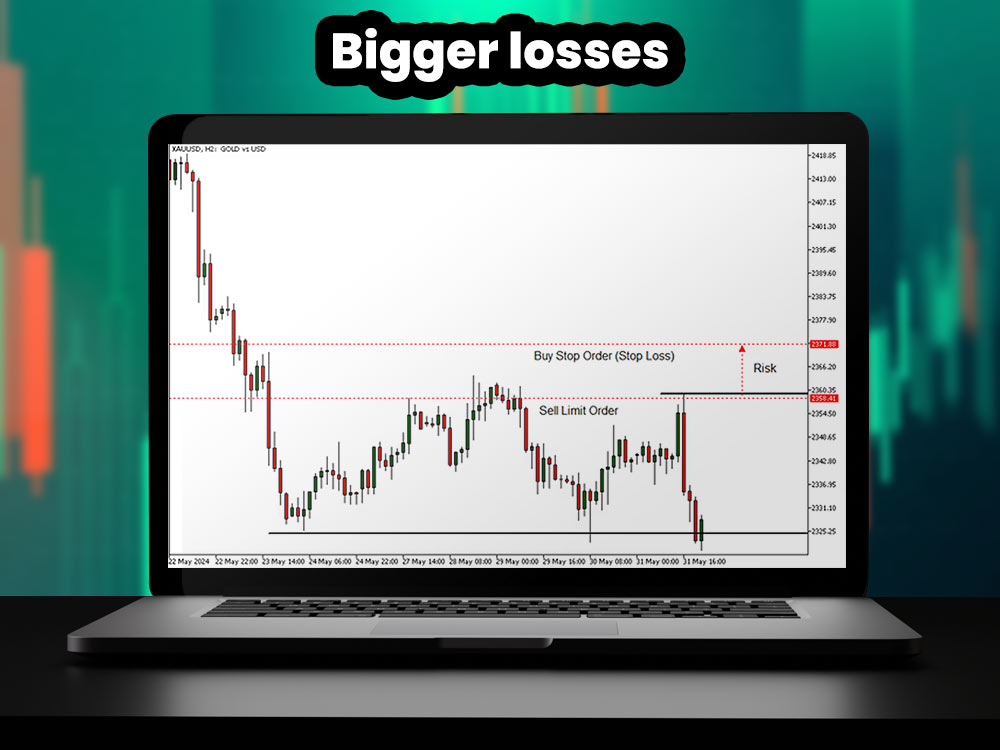
One major risk associated with high leverage trading is bigger losses. Leverage multiplies everything. If your trade goes well, you earn more. But if it goes bad, your losses stack up fast. A 5% drop in the market can mean a 50% loss if you're using 10:1 leverage.
Let’s break it down with a simple example. Say you have $1,000 in your account. You open a $10,000 position using 10:1 leverage. The market moves just 1% against you. That’s a $100 loss. Not so bad. But if it drops 5%, you’re down $500—half your account. A 10% drop? You're wiped out.
This gets worse when emotions kick in. Traders might hold on, hoping for a bounce, or double down to recover. That only deepens the hole. Leverage doesn’t just make gains faster. It makes mistakes more expensive. One way to avoid this is by using a support and resistance indicator. It helps you spot key price levels and avoid trading blindly into areas where price might stall or reverse.
Big losses aren't rare—they're built into the math of high leverage. It’s why this is the first and most dangerous risk associated with high leverage trading.
2. Margin calls
Margin calls
Another risk associated with high leverage trading is margin calls. A margin call happens when your account equity drops below the required margin level. Your broker will ask you to add more money to keep your trades open. If you don’t, they’ll close your positions automatically. You lose control of your trades, often at the worst time.
Here’s a quick example. You open a $20,000 position in gold with only $1,000 using 20:1 leverage. If the price moves just 2.5% against you, that’s a $500 loss—half your margin. Your broker may issue a margin call. If you can’t add funds fast, your position is closed. The market might bounce right after, but it’s too late.
This risk isn’t just about the money. Margin calls cause stress and panic. They force fast decisions. And if markets are volatile, you may get closed out even if your long-term view was right. Even the best forex indicator can’t prevent a stop-out from a sudden spike. That’s why using a reliable forex indicator matters. It helps you find better entries and define clearer risk levels—critical when every pip counts in a leveraged trade.
3. Account wipeout
Account wipeout
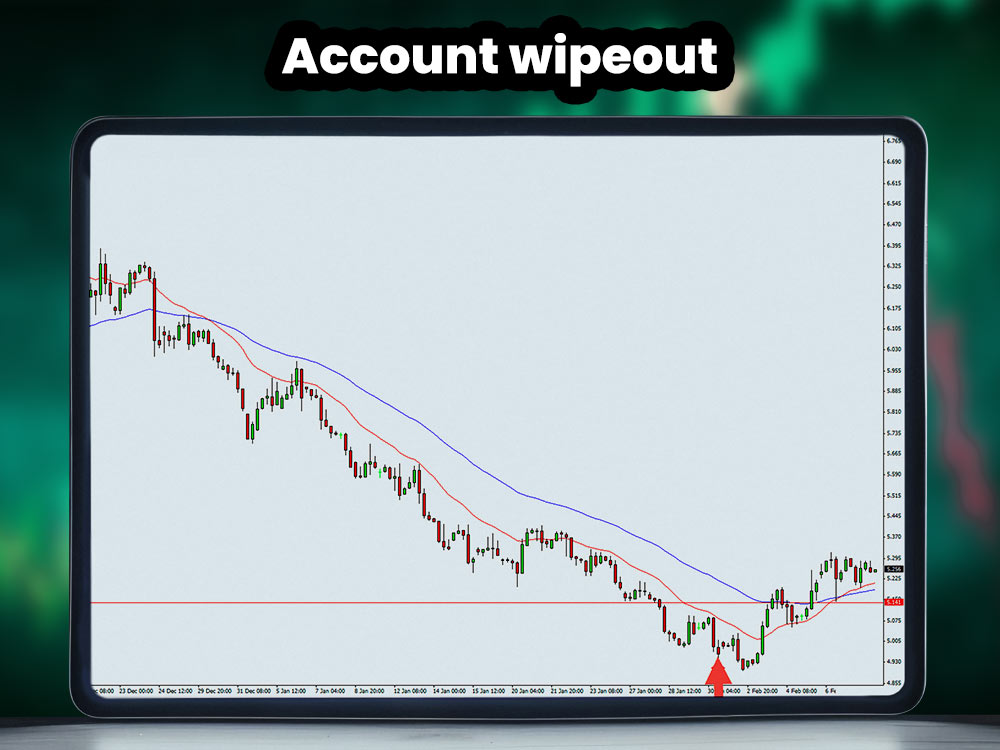
A common risk associated with high leverage trading is losing your entire account. It doesn’t take a huge market crash—just a modest move in the wrong direction. For example, let’s say you open a $50,000 position in the S&P 500 using $2,500 of your own funds at 20:1 leverage. If the index drops 5%, that’s a $2,500 loss. Your entire account is gone in minutes.
Worse, if the price gaps down overnight and your stop-loss doesn't trigger, your loss could exceed your balance. You might wake up to a negative account, now owing money to your broker. That’s not just a bad trade—it’s debt you didn’t plan for. This kind of outcome happens more often than people think, especially during volatile news events or in illiquid markets.
High leverage turns every price move into a high-stakes game. You don’t just risk capital - you risk being pushed out of the market entirely if you haven’t learned how to choose best leverage for forex trading.
4. False sense of safety
Choosing the Right Leverage for You
Leverage gives the feeling of power. But a serious risk associated with high leverage trading is overconfidence. It’s easy to feel in control when a small deposit gives you access to big trades. But that feeling can be dangerous. You may ignore the real size of your exposure. You might skip risk checks because your margin looks healthy.
Here’s a quick example. You have $2,000 and decide to go long on GBP/USD using 25:1 leverage. That gives you a $50,000 position. The market moves against you by just 1%. You’re down $500. That’s a quarter of your account gone in one move. It looked like a good setup. But one bad read, one news event, and your edge disappears.
Overconfidence is sneaky. It grows after a few wins. Then one oversized trade can undo weeks of progress. With high leverage, a small misjudgment doesn’t just sting—it stings hard enough to knock you out of the game. This is where using tools like the supertrend indicator can help. It gives clearer entry and exit signals based on trend strength. When you're managing large positions, a simple visual cue can keep you from entering trades that go nowhere or worse, turn fast against you.
5. Volatility hits harder
Volatility hits harder
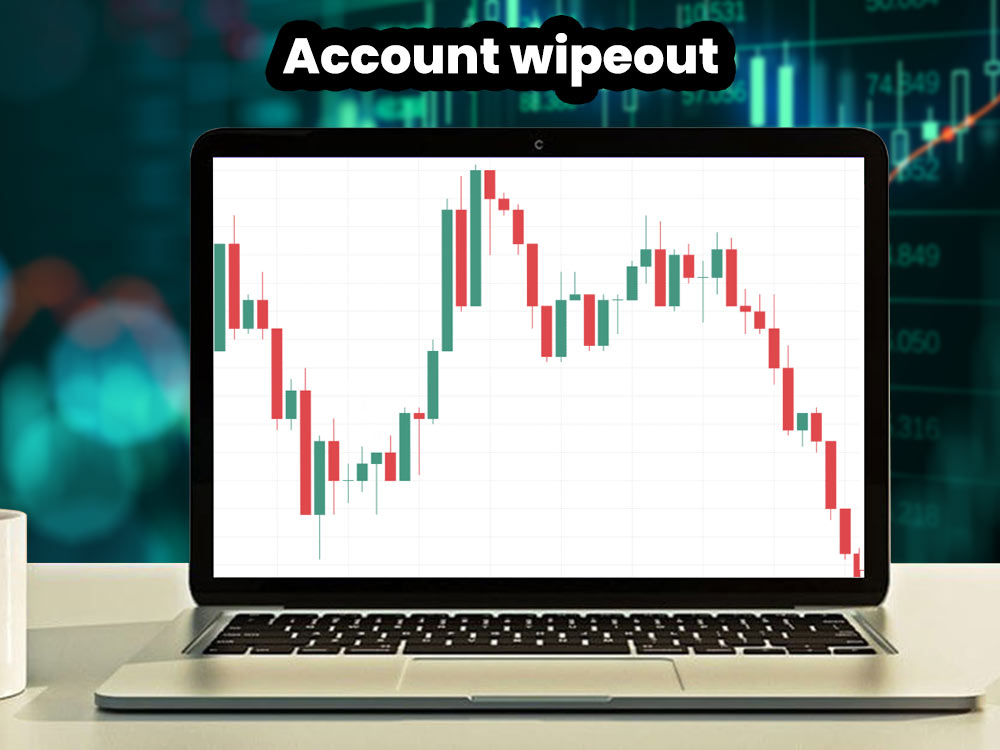
Normal market movements become dangerous. A key risk associated with high leverage trading is that volatility hits harder. With high leverage, a 1% move can mean a big win or a brutal loss. Even if your trade idea is solid, minor swings can stop you out before your plan plays out.
For example, imagine you’ve just Downloaded MetaTrader 5 and you're ready to start trading live. You go long on USD/JPY with $1,000 at 50:1 leverage, controlling a $50,000 position. A tiny 0.5% move against you equals a $250 loss—25% of your account—before the market even moves toward your target. If volatility spikes and price whipsaws, you could be stopped out in seconds.
That’s why choosing the right high leverage forex broker matters. Dominion Options offers ultra-low latency execution, tight spreads, and precision order fills that reduce slippage risk. With leverage options up to 500:1, it’s a top-tier platform for traders who know how to manage exposure. Dominion helps you stay in control—even when the markets aren’t.
6. Overtrading
Overtrading
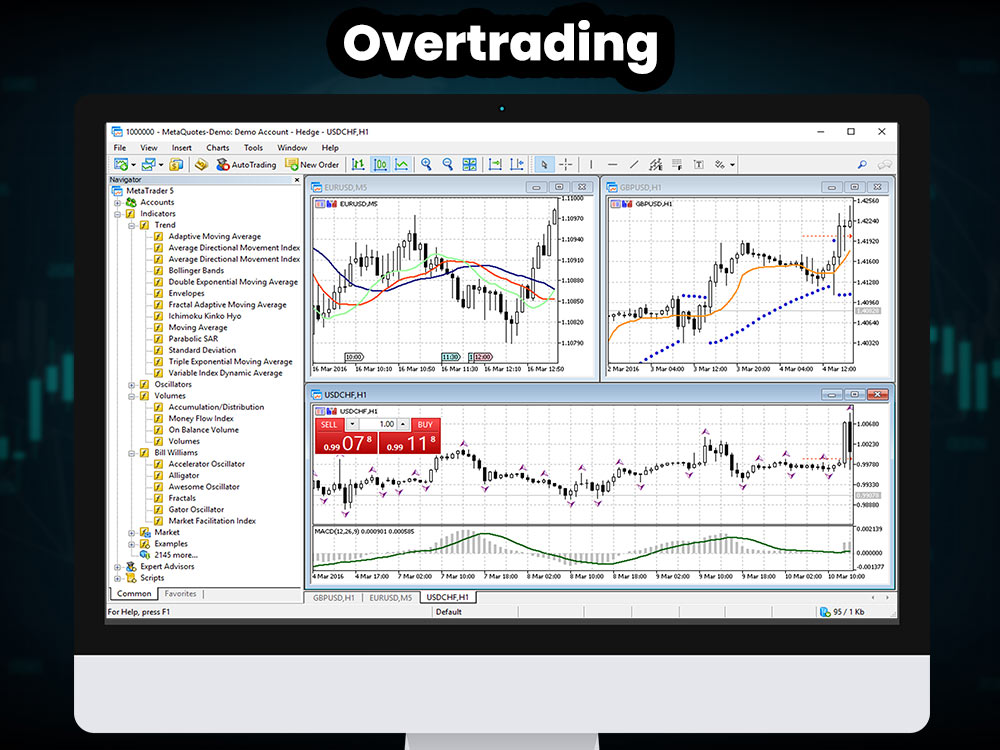
Leverage can lead to overtrading. This is another risk associated with high leverage trading. It gives traders the ability to open many positions at once, often more than they can realistically manage. The idea of quick wins becomes tempting, and that leads to chasing every possible setup, even low-quality ones.
Here’s a simple example. A trader with $2,000 uses 30:1 leverage to open ten positions across different currency pairs. Each trade controls $6,000. If just a few go bad—even with minor losses—his account starts to drain quickly. There's no buffer, no focus, and no plan.
Overtrading creates mental fatigue. Decisions become rushed. Risk controls break down. Instead of managing trades wisely, the trader is just trying to survive the chaos. That’s why using leverage responsibly is just as important as finding a good setup.
7. Pressure to act fast
Pressure to act fast
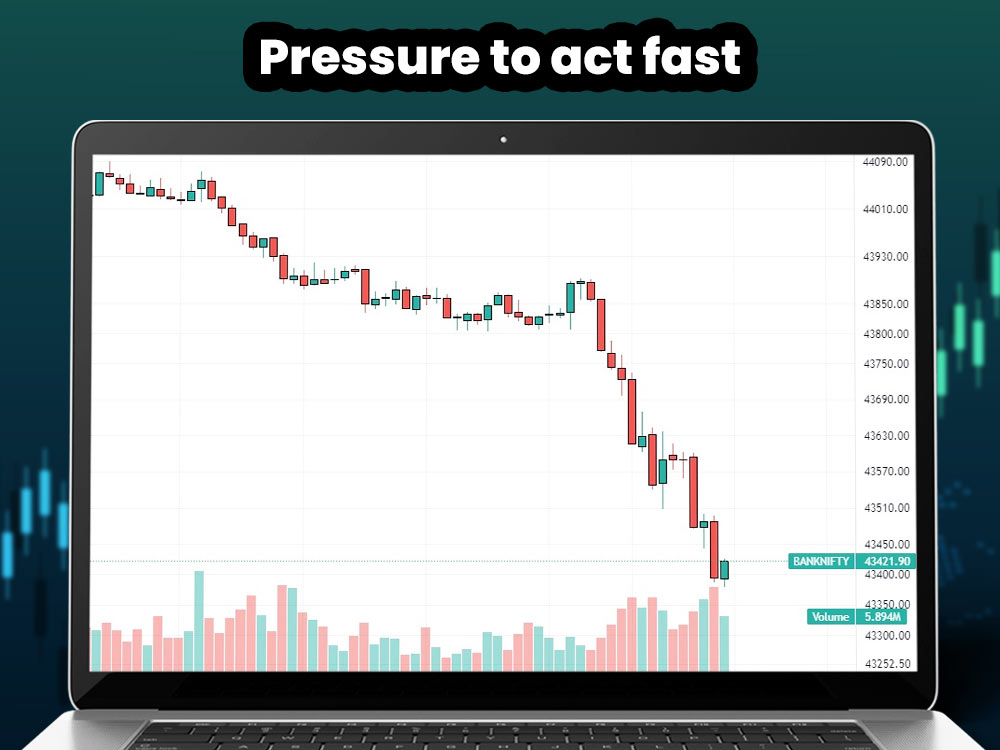
Speed increases pressure. A subtle but dangerous risk associated with high leverage trading is emotional decision-making. When losses pile up quickly, it triggers a fight-or-flight response. You feel the need to act—even if it’s the wrong move.
For example, imagine you go short on NASDAQ with $5,000 using 50:1 leverage. You control $250,000 in exposure. Within minutes, the index spikes 1% against you. You’re suddenly down $2,500. You panic and close the trade, locking in the loss. Minutes later, the price reverses and moves in the direction you expected.
The pressure from quick losses forces snap decisions. Some traders close too early. Others hold too long, hoping for a miracle. In both cases, fear—not strategy—leads the way. High leverage doesn’t just increase financial risk. It magnifies emotional stress, which leads to bad trades. This is why practicing in a forex simulator can be helpful. It lets you test high-leverage scenarios in a safe environment, without risking real money. You’ll get used to the pace, the pressure, and the decisions—before it costs you.
8. Slippage and bad fills
Slippage and bad fills
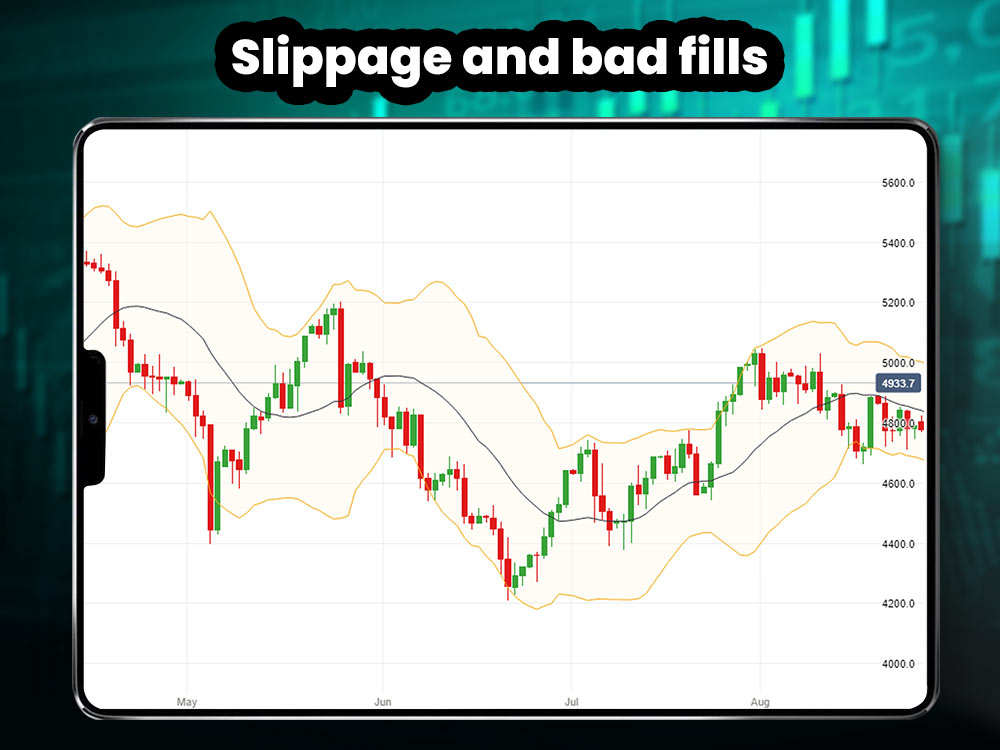
In fast markets, you might not get the price you expect. This is called slippage. A big risk associated with high leverage trading is that even small price differences can cost a lot. When you're using large amounts of borrowed capital, a fraction of a percent can mean hundreds or thousands lost in seconds.
Take this example. You open a $100,000 position on EUR/USD using 100:1 leverage with $1,000 of your own money. The market moves fast during a major news release, and your order gets filled 0.3% higher than expected. That slight difference just cost you $300—almost a third of your account—before the trade even begins.
Slippage is common when volatility is high or when trading during off-hours. High leverage amplifies its impact on trading. Even if your direction is right, a poor fill can set you back hard. It's one of those hidden costs that traders often overlook until it happens to them.
9. No room for error
No room for error
Low-leverage trading gives you time to adjust. High leverage doesn't. A major risk associated with high leverage trading is that one mistake can ruin your account. There’s no cushion for error. One wrong entry, one bad fill, or one moment of hesitation can drain your funds before you have time to react.
Let’s say you open a $40,000 position on oil with $1,000 at 40:1 leverage. A surprise inventory report causes the price to dip just 2.5%. That’s a $1,000 hit—your account is wiped clean. You didn’t have time to adjust your stop. You didn’t get a second chance.
With high leverage, even being slightly wrong can cost everything. There’s no breathing room. You have to be right and fast. And even then, the market might not care. That’s why it’s critical to manage exposure tightly and use brokers like Dominion Options, where low-latency execution and tight spreads can make a difference. Dominion’s precision can help you stay efficient—but even with top tools, there's no substitute for strict discipline.
10. Limited risk management options
Limited risk management options
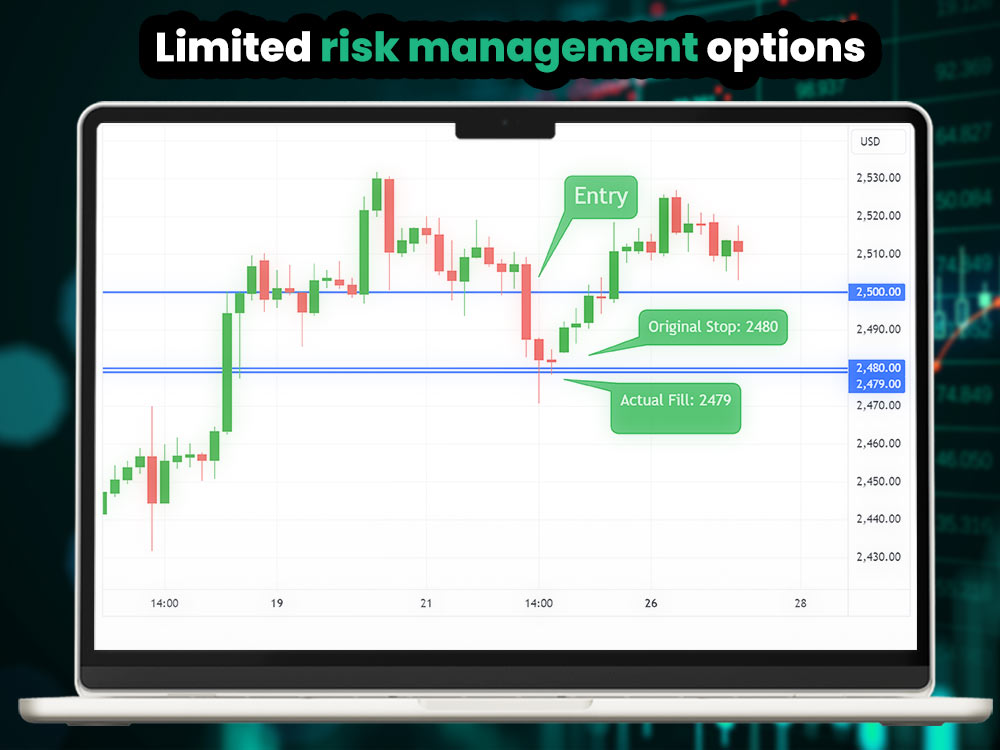
A hidden risk associated with high leverage trading is that it limits your risk management tools. Your trades are bigger. So stop losses need to be tighter. But tight stops can get hit by normal market noise. You have less space to manage your trades.
Real-life examples
Real-life examples
Take a $1,000 account with 50:1 leverage. You control $50,000 in the market. If the price moves 2% against you, that's a $1,000 loss. Your account is gone. This shows a real risk associated with high leverage trading.
Another example: You short the euro with $5,000 at 27:1 leverage. The trade goes well, and you earn $2,000. Great. Then you go long yen with $7,000 at 28:1 leverage. The yen moves against you. You lose $4,500 in one night.
High leverage turned a win into a bigger loss. This is another risk associated with high leverage trading.
Beginner traders beware
Beginner traders beware
New traders often chase fast returns. Leverage looks like a shortcut. But it's a trap if you don't know how to manage risk. Most pros use low leverage and wait for clear setups. They protect their capital first. That’s how they reduce the risk associated with high leverage trading.
Before you start, check out our article on forex trading for beginners. It covers the basics and helps you build a solid foundation.
Risk management is key
Risk management is key
If you must use leverage, you need to use risk management techniques in trading. Use stop-loss orders. Only risk a small part of your account on each trade. Never trade without a plan. Limit leverage to a level you're comfortable with. For some, that's 10:1 or less. This helps reduce the risk associated with high leverage trading.
If you're new to this, take a look at our guide on forex leverage explained. It breaks down how leverage works and what to watch for in plain terms.
Don't double down
Adding to a losing position is a mistake. High leverage makes it worse. If a trade is going bad, cut it. Live to trade another day. Don't hope for a comeback. That only increases the risk associated with high leverage trading.
Final thoughts
High leverage is not for everyone. It can help you grow your account. But it can also blow it up in a flash. Know the risks. Trade with care. And always protect your capital. Respect the risk associated with high leverage trading and stay cautious.
If you’re looking for a high leverage broker you can trust, Dominion Options is a top choice. They offer leverage up to 500:1, low-latency execution, raw spreads, and fast order fills. Whether you're scalping or holding intraday trades, Dominion Options gives you the tools and speed needed to stay sharp under pressure. It’s built for traders who take risk seriously but want performance to match.