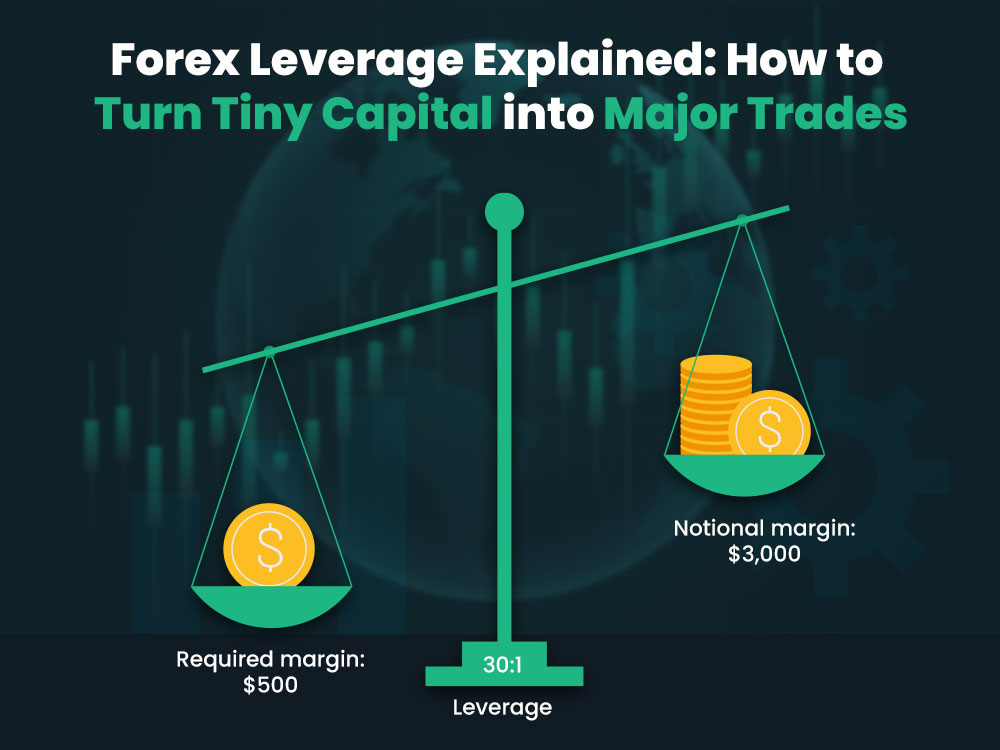
Forex Leverage Explained: How to Turn Tiny Capital into Major Trades
Forex leverage has a unique draw. You don’t need much money to get started. That’s because of leverage. It’s the secret behind turning a small deposit into big market exposure.
In forex, leverage means borrowing money from your broker. This lets you open trades much larger than your actual deposit. With the right approach, forex leverage can help you grow small capital fast. But get it wrong, and it can wipe out your account.
That’s why it’s vital to understand how forex leverage works, when to use it, and how to manage the risks. Brokers like Dominion Options offer high leverage, tight spredas, and low latency—making them a top pick for those looking to make smart, fast trades.
Forex Leverage Explained in Simple Terms
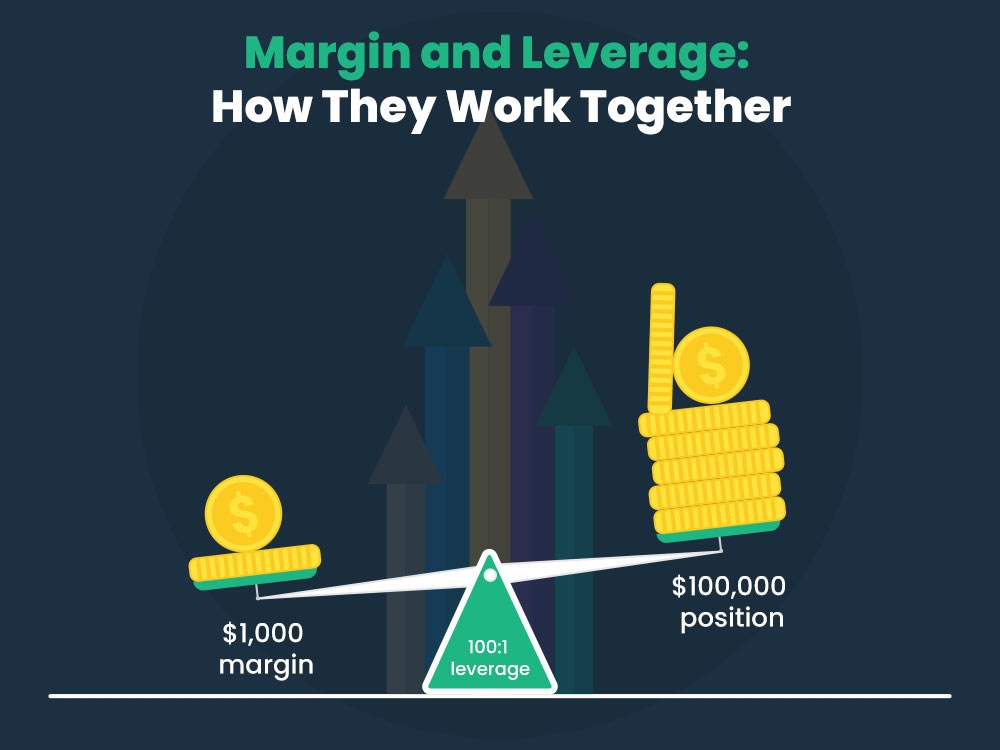
Forex leverage lets you control a larger position than the money you put down. Say your forex broker offers 100:1 leverage. This means you can control $100,000 worth of currency with just $1,000.
Your broker loans you the difference. You just need enough margin to open and keep the trade active.
It works like a power tool. When used well, it makes the job easier. But one wrong move, and it can cause serious damage.
Here’s a quick list of what forex leverage means in practice:
- You can trade large amounts with a small deposit.
- The broker lends you the rest of the money.
- You only need a margin to open and maintain the trade.
- Leverage multiplies both profits and losses.
- Used right, it boosts capital efficiency.
- Used wrong, it can blow up your account.
- It’s a tool—not a shortcut.
- Smart traders use stop-losses and manage risk.
Why Forex Offers High Leverage
Forex markets are huge and highly liquid. That means there’s always someone on the other side of your trade. Because price changes are small, you need large position sizes to profit.
This is where forex leverage steps in. It allows traders to take small price movements and turn them into meaningful gains by increasing position size without needing the full capital upfront. That means you can make real profit off tiny moves—something that wouldn’t be possible if you were trading without borrowed funds.
Other markets don’t offer the same flexibility. In stocks, leverage is often capped at 2:1. Futures may go up to 15:1. In forex? Brokers may offer 50:1, 100:1, or even 500:1. Dominion Options, for instance, offers up to 500:1 leverage, making them a standout choice for traders who want maximum flexibility without sacrificing execution speed or pricing.
Why Forex Offers High Leverage
Having access to high leverage, like 500:1, gives traders a lot of room to act. You can open bigger positions without tying up your full account. That flexibility can be useful when you're managing multiple trades or reacting fast to market shifts. But the key is control.
Just because 500:1 is available doesn’t mean you have to use all of it. Think of it as a tool that gives you more options, not a license to go all in. Traders who know how to scale position size and limit risk can make high leverage work in their favor without putting their account in danger.
Margin and Leverage: How They Work Together
Margin and Leverage: How They Work Together
To use forex leverage, you need margin. Margin is the money you set aside to open a trade. It’s your skin in the game.
If you want to open a $100,000 position with 100:1 leverage, you only need $1,000 in margin. That’s 1% of the full trade size.
The formula is simple:
Leverage = Trade Size / Margin
So if your margin is $500 and your trade size is $50,000, your leverage is 100:1.
Here’s a list to recap how margin and leverage work together:
- Margin is the upfront deposit required to open a trade.
- Leverage lets you control more than you deposit.
- The higher the leverage, the lower the margin needed.
- Leverage increases both potential gains and losses.
- Smart use of margin protects your account from quick losses.
Real Leverage vs Margin-Based Leverage
There are two kinds of forex leverage: margin-based and real.
Margin-based is what your broker shows you. It’s based on how much margin you need to open a trade.
Real leverage is what you’re actually using. It depends on your total capital and how much of it you risk.
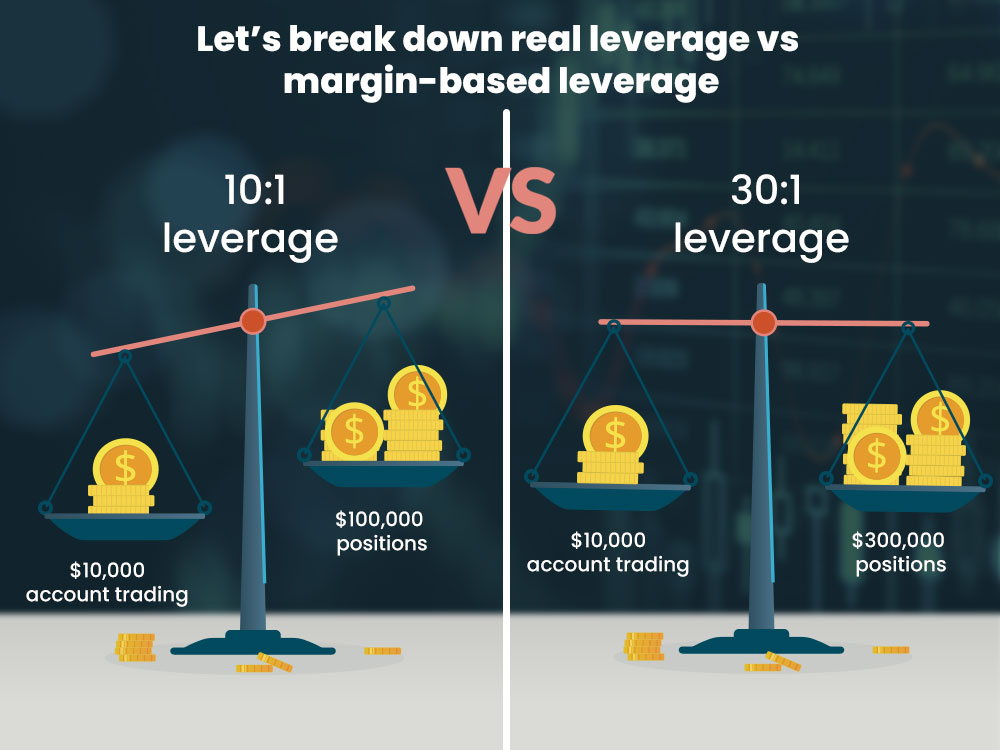
Let’s break down real leverage vs margin-based leverage:
- Margin-Based Leverage= Trade size divided by margin required.
- Real Leverage= Trade size divided by total trading capital.
- Traders often use less than the max margin allowed.
- Real leverage gives a better picture of account risk.
- High real leverage can quickly drain your account.
Real Leverage vs Margin-Based Leverage
Let’s say you have $10,000 in your account. You open a trade worth $100,000. That’s 10:1 real leverage.
But if you open a trade worth $300,000, now you’re using 30:1 real leverage. This puts more of your account at risk.
Pairing your forex leverage with reliable forex indicators is also a smart move. Indicators like moving averages or RSI can help you spot better entries and exits. That added clarity can make your use of leverage more precise and less reactive.
How Leverage Impacts Profit and Loss
Here’s where things get real. Forex leverage multiplies everything. Profit and loss.
If a $100,000 trade moves just 1%, that’s a $1,000 shift. If it goes in your favor, great. But if it doesn’t, that’s a big chunk of your capital gone.
That’s why traders must manage risk at all times. Smart traders set stop-loss orders. They also avoid risking more than 1-3% of their capital per trade.
Quick points to remember of profits and losses are impacted due to leverage:
- A small price move can equal a big account move.
- Stop-losses protect you from big losses.
- Position sizing matters with high leverage.
- Risk only what you can afford to lose.
High Leverage = High Risk
Let’s look at two traders with the same capital: $10,000.
- Trader A uses 50:1 real leverage and opens a $500,000 trade.
- Trader B uses 5:1 leverage and opens a $50,000 trade.
If both lose 100 pips, Trader A may lose $4,150—or 41.5% of their account. Trader B only loses $415, or 4.15%.
Same market, same move, very different outcome.
Too much leverage can ruin a trader fast. That’s why many pros keep their forex leverage low, even when they could use more. Before moving to higher leverage levels, it's smart to practice in a safe environment. Forex simulators let you test strategies and get a feel for leverage without risking real money. They help you learn from mistakes and build confidence before going live.
Using Leverage the Right Way
To use forex leverage well, you need a plan:
- Set Stop-Losses: Always have a safety net.
- Know Your Risk: Don’t bet the farm on one trade.
- Use Smaller Positions: Less pressure, better focus.
- Track Your Real Leverage: Not just what the broker tells you.
- Avoid Revenge Trading: One loss doesn’t mean go bigger next time.
When done right, leverage can boost returns while keeping risk in check. To sharpen that edge even more, many traders rely on the supertrend indicator. It helps confirm trend direction, which is key when you're deciding how much leverage to apply. Combined with a solid plan, tools like Supertrend can improve timing and reduce second-guessing.
Choosing the Right Leverage for You
There is no best leverage level. It depends on your goals, your skill, and your comfort with risk.
Beginners should stick to 5:1 or 10:1. This gives you room to make mistakes without blowing up your account. If you are new to forex trading please check this guide.
Advanced traders may go higher, but they also have tighter controls in place.
The best traders don’t chase huge wins. They aim for small, consistent gains. They use forex leverage as a tool, not a bet.
When looking for brokers, explore lists of high-leverage forex brokers to compare your options. But always put risk management first.
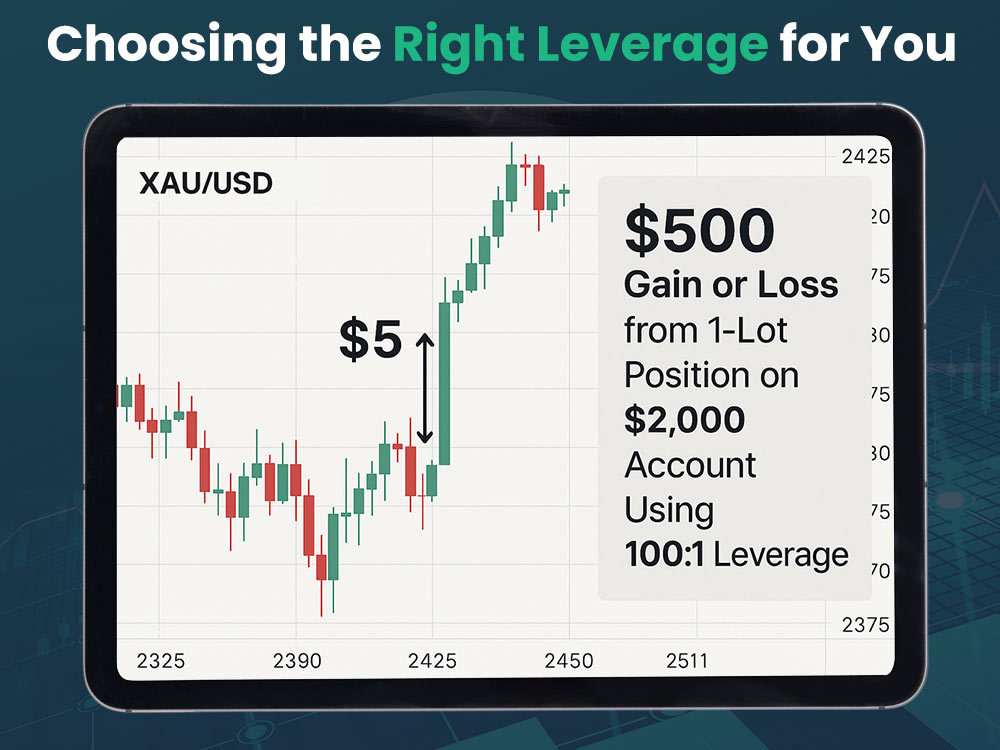
Choosing the Right Leverage for You
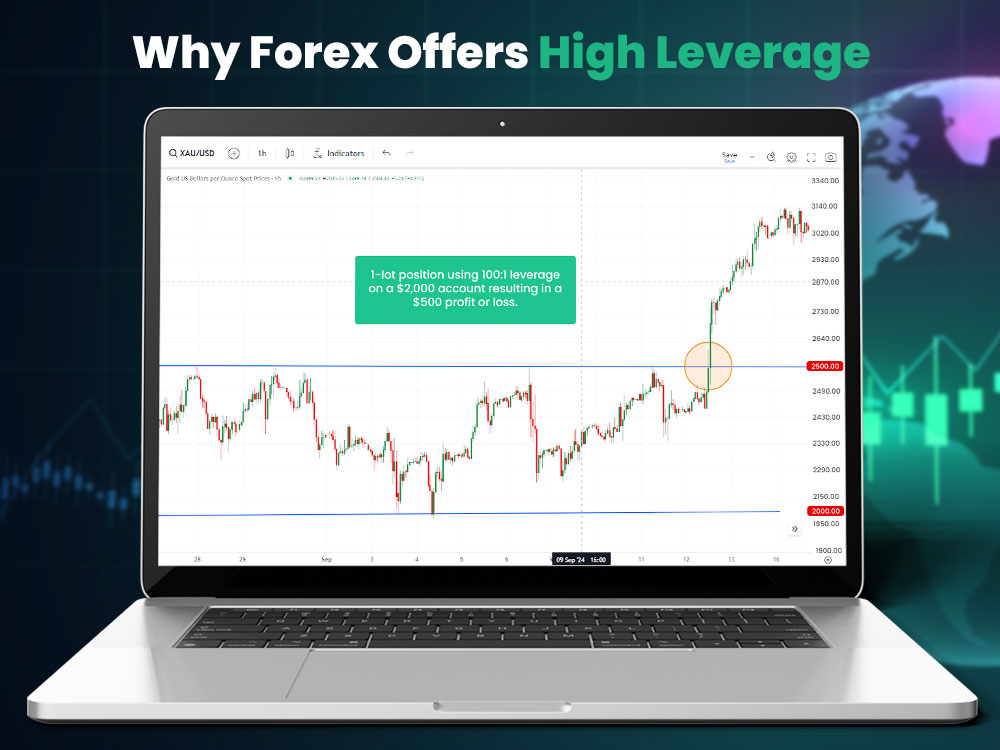
Here’s a simple example: Suppose you have a $2,000 account and decide to trade XAU/USD (Gold vs. US Dollar) using 100:1 leverage. You open a 1-lot position worth $100,000. Gold moves up by just $5. That small shift nets you $500 profit—25% of your account—if you're on the right side. But if it moves against you by the same amount, you lose just as fast. That’s why platforms like MT5, which support flexible lot sizing and precision trade control, are favored by many.
Final Thoughts
Forex leverage is one of forex trading’s biggest advantages. It lets you trade big with little capital. But it cuts both ways.
If you treat it like a weapon, it can backfire. But if you treat it like a tool, it can work for you.
Understand how forex leverage works. Track your real exposure. Keep risk small.
And choose the right partner. With Dominion Options, you get speed, value, and flexibility. For traders who want control, that makes all the difference.