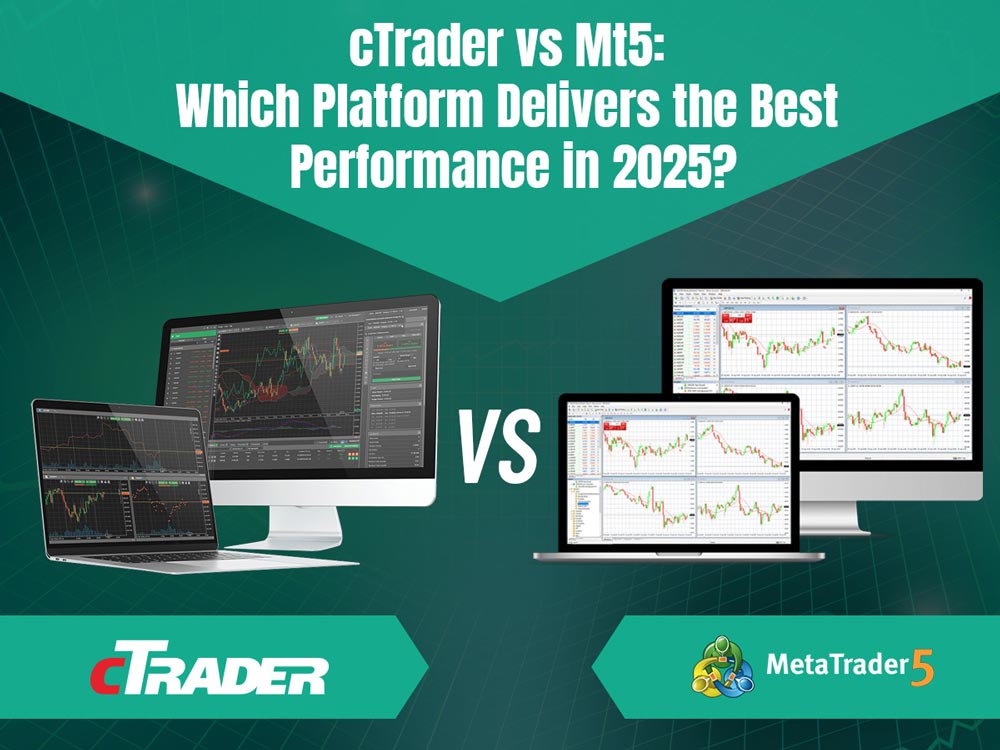
cTrader vs Mt5: Which Platform Delivers the Best Performance in 2026?
Choosing the right trading platform in today’s fast-moving markets isn’t just about preference—it can directly impact your trading performance. As 2026 unfolds, two trading platforms continue to resonate among forex traders worldwide: MetaTrader 5 (MT5) and cTrader. Each trading platform brings something valuable to the table, but the differences quickly become apparent when you dig into what matters most to performance-oriented traders.
If you’re looking to take advantage of MT5's full capabilities, Dominion Options offers an ideal environment—tight spreads, low latency, and infrastructure optimized for serious trading strategies.
This leads to the bigger question—when it comes to performance, versatility, and long-term value—especially for everyday serious traders—MetaTrader 5 edges ahead. Here's why.
A Quick Overview: What Are We Comparing in cTrader vs MT5?
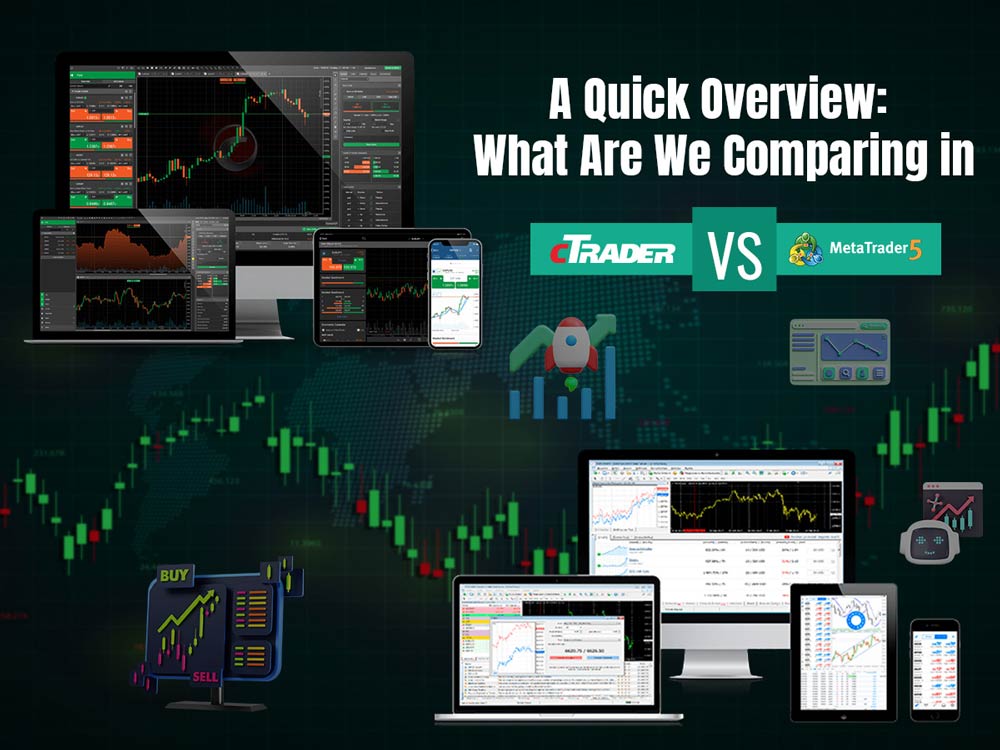
cTrader vs Mt5
Before we dive into the details, let’s take a moment to see what each platform offers on the surface in the cTrader vs MT5 comparison. This quick overview helps set the stage for the deeper insights that follow.
- MetaTrader 5 (MT5): Developed by MetaQuotes as the evolution of MT4, MT5 brings more to the table with support for multiple asset classes, powerful automation tools, enhanced analytical features, and access to a vast marketplace of trading utilities. If you’re weighing the MT5 vs MT4 decision, we break down the key differences in our blog to help you choose what fits your trading style best.
- cTrader: Built by Spotware, cTrader is appreciated for its modern design and intuitive layout. It’s especially popular among traders who prioritize visual experience and ECN-style execution, offering clean charting and user-friendly tools right out of the gate.
At first glance, both platforms offer a lot. But when comparing cTrader vs MT5 on real-world performance, important distinctions begin to emerge.
1. Platform Performance and Execution Speed
In 2026, speed is everything. Execution delays can mean slippage, missed opportunities, or worse—unexpected losses. What gives MT5 a clear performance edge is the way it's been engineered from the ground up. It runs on a lean backend that’s designed to handle demanding trading environments with ease.
Thanks to its multi-threaded processing architecture, MT5 can juggle multiple functions at once without skipping a beat—whether you’re running EAs, scanning indicators, or backtesting strategies. It's also worth noting that many brokers have gone the extra mile to optimize their infrastructure specifically for MT5. In most cTrader vs MT5 comparisons, this extra level of tuning plays a major role in faster trade execution and more reliable performance.
While cTrader offers a reliable execution engine, especially with its ECN focus, it doesn't quite match MT5’s processing power when multiple indicators, scripts, and trading robots are running simultaneously.
Here’s a quick summary of why MT5 consistently outperforms in the cTrader vs MT5 conversation:
- Faster execution under heavy load: MT5 handles high-frequency and multi-strategy setups without lag.
- Multi-threaded architecture: Allows parallel processing of trades, indicators, and scripts.
- More optimized broker support: In most cases, brokers build infrastructure that caters better to MT5 performance.
In short, when it comes to handling demanding trading environments, MT5 has the edge.
2. Depth of Market and Order Management in cTrader vs MT5
In the ongoing debate of cTrader vs MT5, both platforms offer Depth of Market (DoM) functionality, but MT5’s integration goes deeper. It supports both hedging and netting systems, which gives traders more control depending on their trading style. Whether you're scalping, swing trading, or managing multiple portfolios, MT5 adapts easily.
cTrader also provides DoM with volume-weighted average pricing and more visual order book tools, which look great but offer limited functional benefits beyond their visual appeal. While they may look impressive at first glance, these tools often fall short when it comes to delivering advanced functionality or enhancing trading performance in meaningful ways—especially when compared to the more deeply integrated and versatile systems found in MT5.
To wrap up this section, here’s a simple breakdown of why MT5 wins here:
- Deeper integration with broker systems for smoother order routing and trade management.
- Support for both hedging and netting, offering flexibility to match various trading strategies.
- Proven reliability in complex execution setups, making it a preferred choice for active traders.
In practical terms, MT5’s tools don’t just look good—they deliver consistent results in real trading environments.
3. Asset Coverage and Broker Support

ctrader vs metatrader
If you’re planning to diversify your portfolio, MT5 wins hands down. MT5 stands out for its broad market reach, giving traders access to a variety of financial instruments—from forex and commodities to stocks, futures, and indices—all from a single platform. This kind of flexibility is a major win for anyone looking to diversify. In fact, when comparing cTrader vs MT5, it becomes clear that MT5’s wider adoption among global brokers translates into more choices, tighter spreads, and better trading conditions overall.
Brokers like Dominion Options have leaned into this by building a platform environment that’s fine-tuned for MT5 users—delivering a smooth, low-latency experience with deep liquidity and professional-grade execution.
By contrast, cTrader tends to be more limited in scope, mainly focusing on forex and CFDs. It's also not as widely supported, meaning fewer broker options and more restrictions for traders looking to branch out.
4. Algorithmic Trading and Customization
MT5 is a powerhouse when it comes to automation. It uses MQL5, a highly efficient and flexible programming language developed specifically for financial applications. In cTrader vs MT5 automation scenarios, traders can build Expert Advisors (EAs), custom indicators, and scripts on MT5, running them across multiple charts without compromising speed.
The MT5 Strategy Tester is one of the most powerful in the market, and in any cTrader vs MT5 performance comparison, its ability to run multi-currency, multi-threaded backtests with real tick data stands out.
cTrader’s equivalent—cTrader Automate—uses C#. While C# is a well-known language, the ecosystem for cBots (cTrader’s version of EAs) is significantly smaller. Backtesting is functional but not as robust or scalable as what you get on MT5.
This becomes especially important when developing scalping strategies on cTrader and MT5, where execution speed and reliable testing can make or break your edge.
5. Marketplace and Community in cTrader vs MT5
One of MT5’s biggest strengths is its ecosystem. The MetaTrader Market offers thousands of pre-built EAs, indicators, signals, and utilities—many free, many premium. It’s a plug-and-play environment that makes getting started with automation or signal copying incredibly easy.
cTrader has its own copy trading network, but it pales in comparison in terms of user base, content volume, and overall flexibility. The MetaTrader community—forums, blogs, user groups—is enormous, which gives MT5 a clear advantage in the cTrader vs MT5 ecosystem comparison.
6. Custom Indicators and Charting Tools
An image showcasing a trading chart with overlaid custom indicators, drawing tools, and technical analysis elements—conveying flexibility, precision, and personalization in charting.
This is one area where cTrader shines with its sleek charting interface, multiple chart types, and intuitive drawing tools. But that doesn’t mean MT5 lags behind.
MT5 has made great strides in improving its visual tools. It now supports 21 timeframes, over 80 built-in indicators, and unlimited charts. More importantly, MT5 gives traders the ability to code and integrate virtually any indicator they want—whether they choose to build their own or tap into the vast community of existing tools. In the cTrader vs MT5 conversation, this flexibility is a game-changer. It allows traders at every level to tailor their analysis and strategies with precision, without relying on rigid, pre-built solutions.
If you're someone who likes visual elegance, cTrader is appealing. But if you're looking for power, flexibility, and the ability to customize everything, MT5 clearly takes the lead in the cTrader vs MT5 matchup.
7. Regulation and Reliability
Given its longer track record and wide adoption, MT5 has become the industry standard among regulated brokers. Plenty of reputable brokers—like Dominion Options—have put their full weight behind MT5, choosing it as their main (and sometimes only) platform.
That kind of commitment speaks volumes. For traders, it’s a reassuring sign that the platform is not only dependable but also well-supported by firms that know what professionals need. It shows MT5 has earned its place by offering a blend of innovation, stability, and trust—three things you definitely want when you’re putting real money on the line.
cTrader is a solid contender but doesn’t enjoy the same level of adoption or infrastructure maturity.
8. Broker Integration and Ecosystem
In terms of integration capabilities, cTrader vs MT5 comparisons consistently show that MT5 integrates more effortlessly into broker systems. From risk management tools to third-party plugins, PAMM solutions, and multi-terminal setups for account managers—MT5 is the preferred choice.
Brokers like Dominion Options, for example, have transitioned fully to MT5 in 2024, citing its superior execution, better customization options, and scalable infrastructure. Traders using Dominion benefit from 0.1 pip spreads, 1:500 flexible leverage, and a platform environment designed for resultful performance.
Why MT5 Remains the Go-To Platform for Traders
If you’re a casual trader who values aesthetics and quick functionality, cTrader might feel comfortable. Its interface is modern, and the experience is smooth.
But if you’re serious about trading—especially if you’re managing larger capital, using algorithmic tools, or diversifying into multiple asset classes—MetaTrader 5 is clearly the superior platform in the cTrader vs MT5 evaluation for 2026.
It’s faster, more versatile, better supported, and used by some of the most respected brokers in the industry. When you factor in features like multi-threaded processing, deep backtesting, and an unrivaled community, MT5 isn’t just keeping up—it’s setting the pace.
With brokers like Dominion Options backing the MT5 experience with tight spreads and low latency while trading on the MT5 platform, it’s easier than ever to make the switch.