
How to Calculate Leverage in Forex for Safer Trading
How to Calculate Leverage in Forex is a skill every trader needs. It helps you understand your real exposure in the market. It also helps you control risk before you open a trade. Many traders skip this step and end up using far more borrowed money than they think. That can lead to quick losses.
This guide explains how to calculate leverage in forex trading in plain language. You will learn the formula, see real examples, and discover tools that make the job easier. We will also cover how to calculate leverage margin and pip values in forex so you can trade with more control.
Dominion Options offers traders flexible leverage options up to 500:1, tight spreads from 0.1 pips, transparent conditions, and a fair evaluation process. This makes it easier to apply what you learn about calculating leverage while enjoying an environment built for growth and accountability.
What Leverage Means in Forex
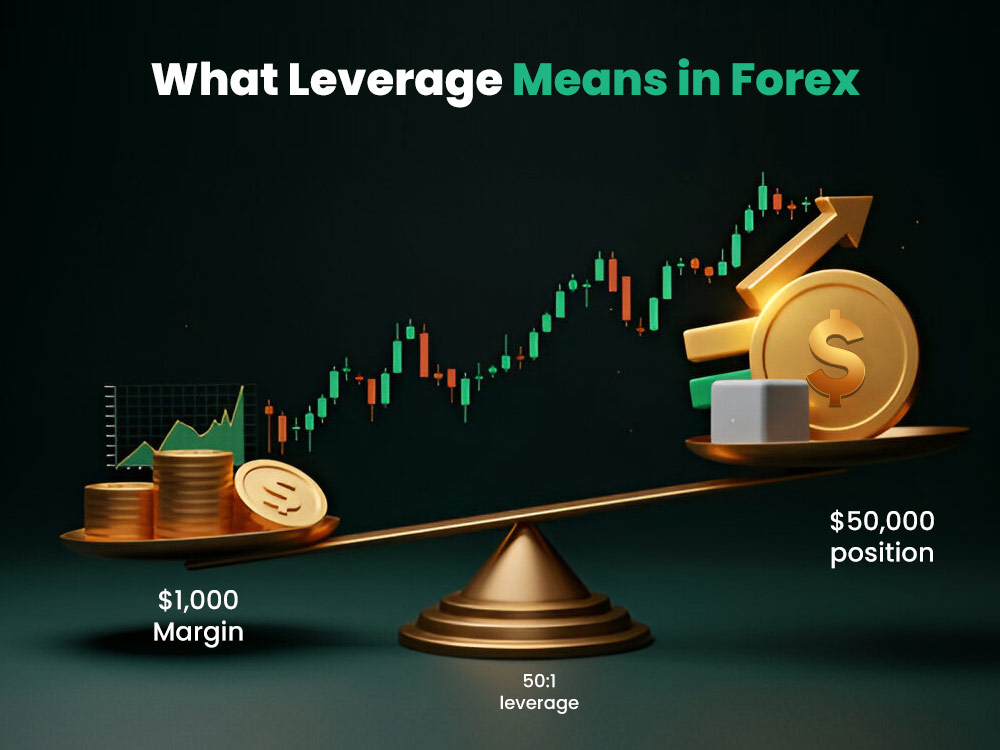
When you trade forex, you can control more money than you put in. This is possible because your broker lets you use borrowed funds. This is called leverage.
What Leverage Means in Forex
If you have $1,000 and use 50:1 leverage, you can open a $50,000 trade. You only need a small deposit, called margin, to make the trade. The rest is provided by your broker. Knowing how to calculate leverage in forex is the only way to see exactly how much you are using, and is a key part of understanding forex leverage and how it works in practice, making the concept of forex leverage explained, which we also cover in detail in another blog of ours clear and practical.
The Link Between Margin and Leverage
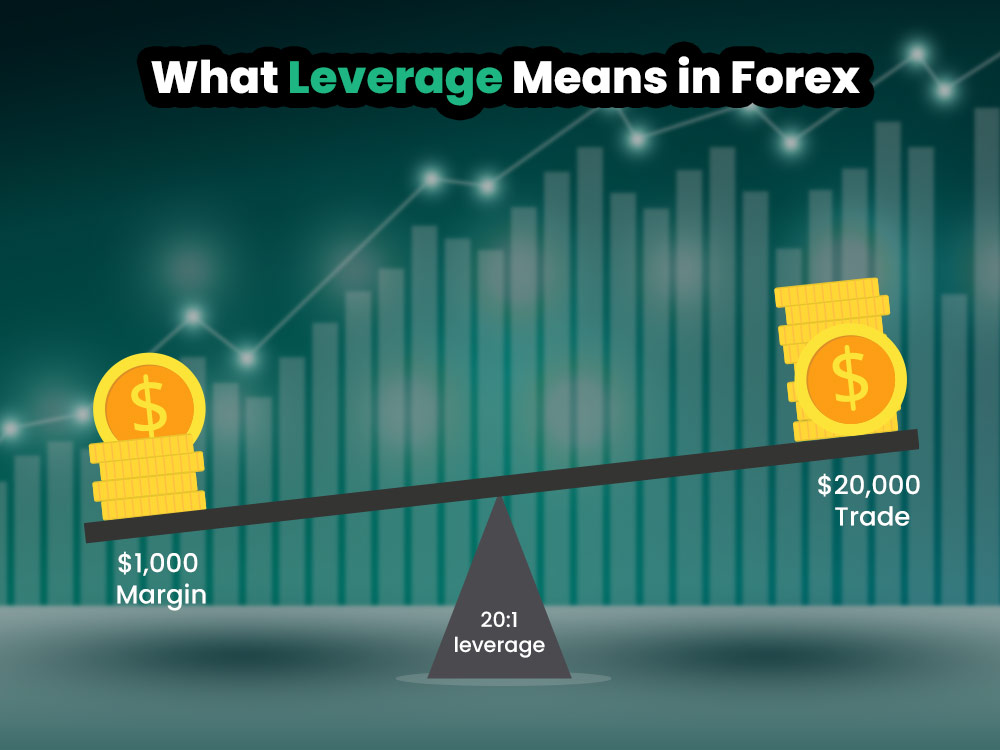
Margin is the amount you must deposit to open a trade. Leverage is the ratio of your trade size to that margin.
What Leverage Means in Forex
The formula for how to calculate leverage in forex is:
Leverage = Total Trade Value ÷ Margin Used
If your trade is worth $20,000 and your margin is $1,000, the leverage is 20:1. Once you learn how to calculate leverage margin and pip values in forex, you will see how small changes in margin affect your overall exposure.
Why Leverage Can Be Risky
Leverage multiplies both gains and losses. If the market moves in your favor, profits can be bigger. If it moves against you, losses can come fast.
Example of uncontrolled leverage in forex:
- At 100:1 leverage, a 1% price drop can wipe out your account.
- At 10:1 leverage, that same drop would cost you only 10% of your balance.
This is why how to calculate leverage in forex trading is not just about math — it’s about survival.
How to Calculate Leverage in Forex: Step-by-Step
How to Calculate Leverage in Forex: Step-by-Step
To calculate your leverage in forex, you need:
- Account balance – How much money you have in your trading account.
- Trade size – The total value of the position.
- Margin required – The deposit your broker requires for that position.
- Lot size – The units of the base currency you are trading.
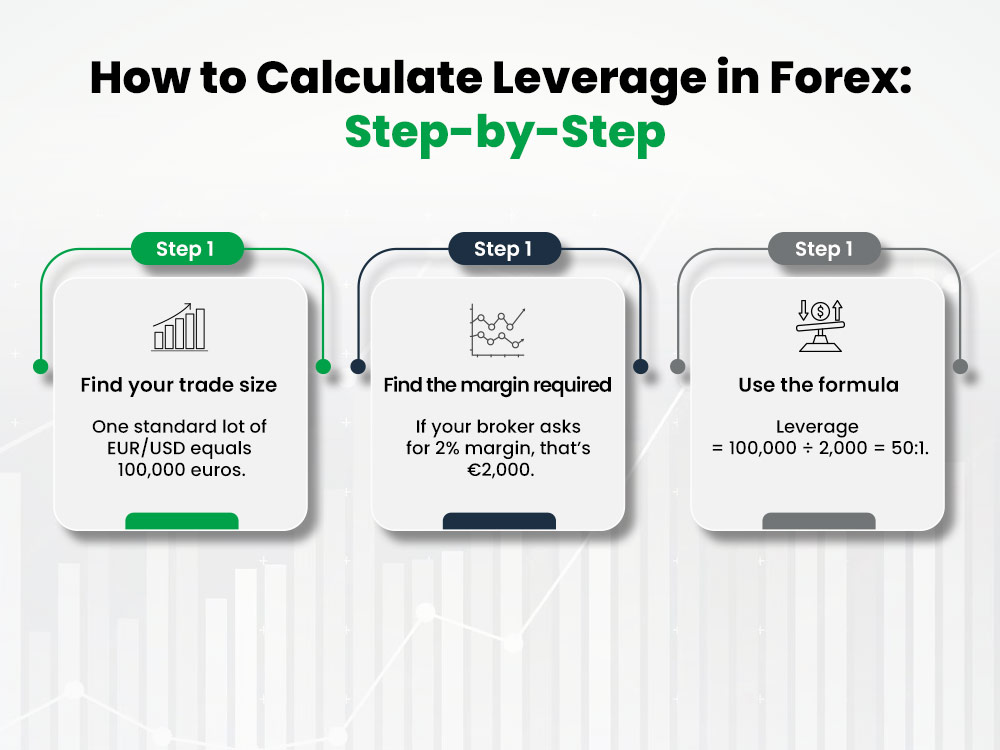
Step 1: Find your trade size.
One standard lot of EUR/USD equals 100,000 euros.
Step 2: Find the margin required.
If your broker asks for 2% margin, that’s €2,000.
Step 3: Use the formula.
Leverage = 100,000 ÷ 2,000 = 50:1.
That is your real exposure. This is the heart of how to calculate leverage in forex and it is the same whether you are trading a major pair or a cross pair, and ties into our other blog on high leverage forex brokers for those looking to explore broker options.
Examples of Different Leverage Levels
Two traders have $5,000 each.
- Trader A uses 100:1 leverage to open a $500,000 trade.
- Trader B uses 10:1 leverage to open a $50,000 trade.
A 1% price move changes the position by $5,000.
- For Trader A, a 1% loss wipes out the account.
- For Trader B, it’s only a $500 loss.
These numbers show why knowing how to calculate leverage margin and pip values in forex is vital before you click “buy” or “sell.”
Using a Leverage Calculator
You can work out how to calculate leverage in forex by hand, but tools like the Leverage Calculator make it faster.
You enter:
- Currency pair
- Account currency
- Trade size
- Margin
The tool gives your leverage ratio and effective leverage. This makes it easier to see how to calculate leverage in forex trading in real time without mistakes.
For example:
- Account: €1,000
- Trade: 0.5 lot EUR/USD (50,000 units)
- Margin: €50
Effective leverage = 50,000 ÷ 50 = 1,000. In practice, brokers show this as around 20:1 depending on the contract size and currency conversion.
Safe Leverage Levels
Safe leverage depends on your trading style:
- Scalpers may use 20:1 or 30:1 but exit trades quickly.
- Swing traders often stay under 5:1 to survive long market moves.
- Beginners should start at 2:1 or 3:1 while they learn.
If you are learning how to calculate leverage in forex, it is best to start low. You can increase it slowly as your skill grows.
How Rules Affect Leverage
Different countries set limits on leverage:
- US: 50:1 max for major pairs, 20:1 for others.
- EU/UK: 30:1 max for major pairs.
- Japan: 25:1 for retail traders.
- Australia: 30:1 for major pairs.
If you know how to calculate leverage margin and pip values in forex, you can adjust your trades to fit these limits, and also factor in insights from our other blog on the best pairs to trade so you can match leverage choices with the right currency pairs for your goals.
Tips for Safer Use of Leverage in Forex Trading
Tips for Safer Use of Leverage in Forex Trading
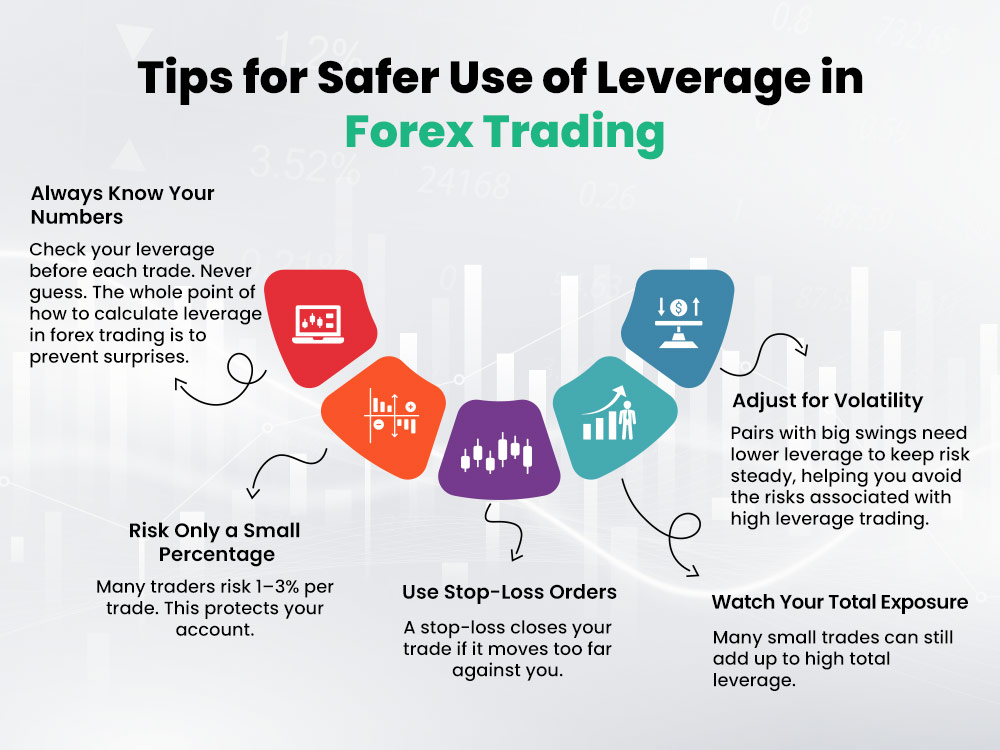
Always Know Your Numbers
Check your leverage before each trade. Never guess. The whole point of how to calculate leverage in forex trading is to prevent surprises.
Risk Only a Small Percentage
Many traders risk 1–3% per trade. This protects your account.
Use Stop-Loss Orders
A stop-loss closes your trade if it moves too far against you.
Watch Your Total Exposure
Many small trades can still add up to high total leverage.
Adjust for Volatility
Pairs with big swings need lower leverage to keep risk steady, helping you avoid the risks associated with high leverage trading.
Maximum vs Effective Leverage
There’s a difference between what your broker offers and what you actually use.
- Maximum leverage: The highest your broker allows.
- Effective leverage: The real ratio based on your total trades and margin.
If you have $10,000 and trade $50,000, your effective leverage is 5:1. Knowing this is part of how to calculate leverage in forex the right way.
Why Beginners Struggle with High Leverage Trading
New traders see high leverage as a quick path to profits. They forget that it works both ways. Without knowing how to calculate leverage in forex trading, they take oversized trades. A few wrong moves can wipe out their balance.
High leverage also tempts traders to skip planning. They trade on impulse, not on strategy, which is why guidance on leverage trading for beginners is so important. Losses then grow faster than they can recover.
Leverage and Your Trading Plan
Leverage is just one part of a full plan. The best traders know how to calculate leverage in forex, but they also have rules for:
- Entry and exit points
- Position size
- Maximum total risk
- Maximum allowed leverage per trade
This ensures leverage supports the plan instead of leading it.
Practical Walkthrough
Let’s work through how to calculate leverage in forex step-by-step:
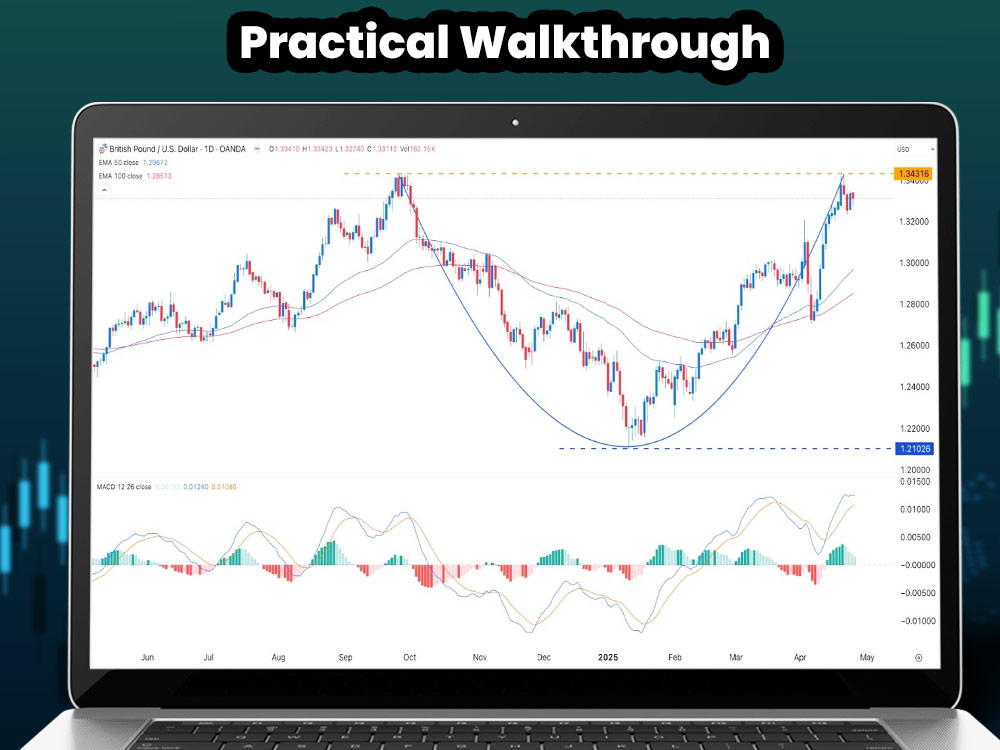
You have $2,000 and want to trade GBP/USD. Your broker’s margin requirement is 5%.
1 lot = 100,000 GBP. 5% = 5,000 GBP. In USD, that’s about $6,250.
You can’t trade a full lot. Instead, you choose 0.2 lots (20,000 GBP).
Margin for 0.2 lots = 1,000 GBP (~$1,250).
Leverage = $25,000 (trade size) ÷ $1,250 (margin) = 20:1.
We highly suggest checking our guide on choosing best forex leverage to stay safe and improve your chances in using leverage properly.
Practical Walkthrough
Why Lower Leverage Still Has Its Place
Using low leverage doesn’t mean small profits. Once you know how to calculate leverage margin and pip values in forex, you can still:
- Trade multiple pairs with small positions
- Hold trades longer for bigger moves
- Add to winning trades slowly
Low leverage protects you from sharp losses and keeps you in the market longer.
Key Points to Remember
- How to calculate leverage in forex: Trade Value ÷ Margin Used
- Always check both maximum and effective leverage
- High leverage = high risk
- Use calculators for speed and accuracy
- Combine leverage control with a solid plan
- Match leverage to your style and account size
Final Word
Learning how to calculate leverage in forex is one of the most valuable skills for traders. It gives you control, keeps risk in check, and helps you avoid account wipeouts.
Whether you are figuring out how to calculate leverage in forex trading or exploring how to calculate leverage margin and pip values in forex, the process is the same: know your numbers, keep leverage within safe limits, and make it part of your plan.
When you do that, you turn leverage from a dangerous risk into a controlled tool for safer trading. Dominion Options, a best forex broker choice for many, can help with this by offering up to 500:1 leverage, 0.1 pip spreads, and fair trading conditions that make calculated risk easier to manage.