
Best Forex Trading Strategies to Build Long-Term Consistency in 2026
Every trader wants one thing, consistency. You can win big one day and lose it all the next if you don’t have a solid plan. That’s where forex trading strategies come in.They help you trade with rules, not emotions. The goal is to find the best forex trading strategy that fits your personality and helps you grow steadily over time.
For new traders exploring platforms such as Dominion Options, which offers tight spreads, instant execution, using a clear and structured strategy helps you start strong, manage risk early, and build long-term consistency from the beginning.
This guide explains proven forex trading strategy types that traders use to stay consistent and profitable.
Let’s explore how to read these patterns accurately without complicating things.
What Makes a Forex Trading Strategy Consistent?

What Makes a Forex Trading Strategy Consistent
A consistent forex trading strategy doesn’t rely on luck or hunches. It follows logic, data, and repeatable steps.
Here’s what defines a solid forex trading foundation:
- Clear rules: Know exactly when to enter, manage, and exit.
- Defined risk: Always limit losses to a small percentage per trade.
- Repeatability: Apply the same setup under similar conditions.
If you want the best forex trading strategy ever, focus on one that you can follow daily, not one that only works sometimes.
Scalping: The Quickest of All Forex Trading Strategies
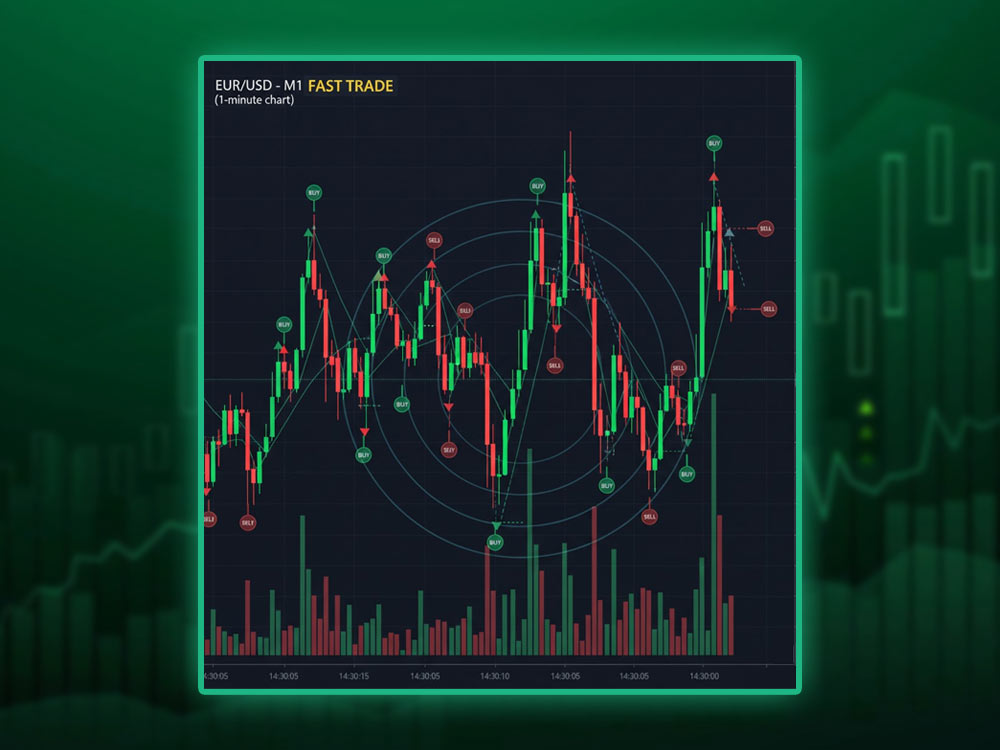
Scalping: The Quickest of All Forex Trading Strategies
Scalping is one of the fastest forex trading strategies. You open and close trades within minutes, aiming for small gains many times a day.
How it works:
Scalpers trade 1-minute or 5-minute charts and rely on precision. Tight stop-losses and small targets are key.
Tools used:
Moving Averages, RSI, and short-term momentum indicators.
Pros:
- Dozens of trade opportunities daily
- Works best during volatile sessions
Cons:
- High transaction costs
- Requires fast reaction times
Who it suits:
Traders who enjoy quick decisions and constant market action.
If you’re looking for the best forex trading strategy for beginners, scalping can be too stressful, but it teaches discipline and fast thinking. For practical insight, see the scalping strategies while trading forex guide - it shows how traders use timing and precision to succeed in fast-paced setups.
Day Trading: Controlled and Structured
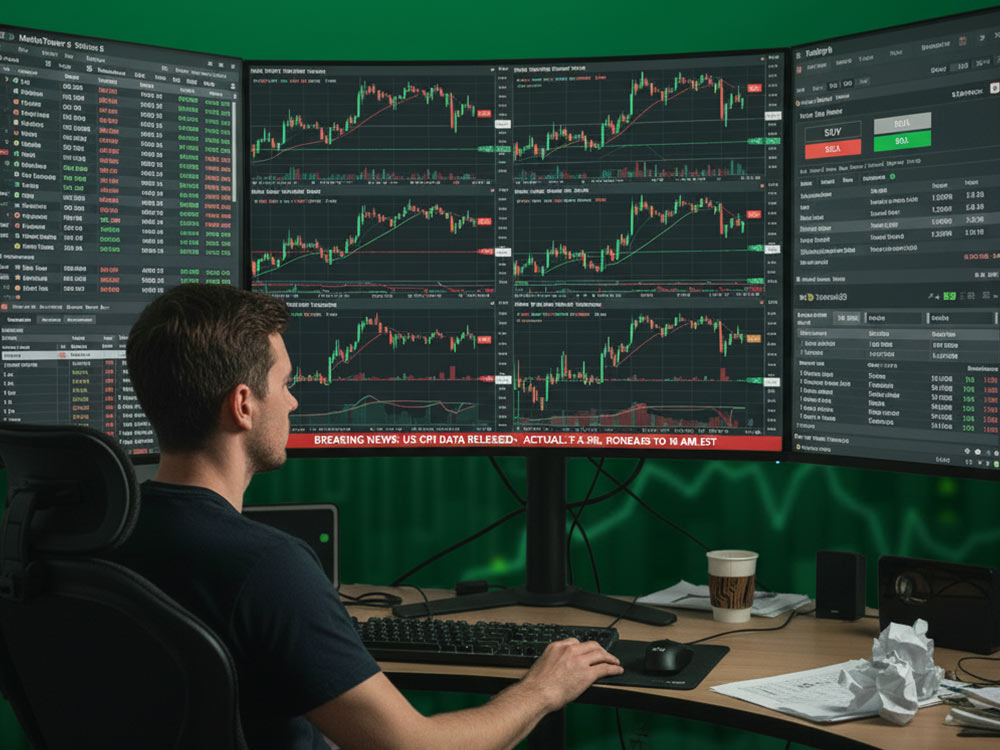
Day Trading: Controlled and Structured
Day trading is one of the most balanced forex trading strategies. You open and close trades within a single day to avoid overnight risk.
How it works:
Trade short-term trends using 15-minute or 1-hour charts. Many traders plan around key news events for volatility.
Tools used:
Support/resistance, Bollinger Bands, and price action setups.
Pros:
- No overnight exposure
- Clear daily routine
Cons:
- Demands focus and patience
- Emotional swings after losses
Who it suits:
Traders who can dedicate a few hours daily to structured analysis.
Many pros consider day trading the best forex trading strategy for consistent short-term gains. If you want to refine your short-term approach and apply structure to your daily trades, see tips for forex day trading to Evaluate Your Strategy and Boost Profits guide.
Swing Trading: A Flexible Forex Trading Strategy
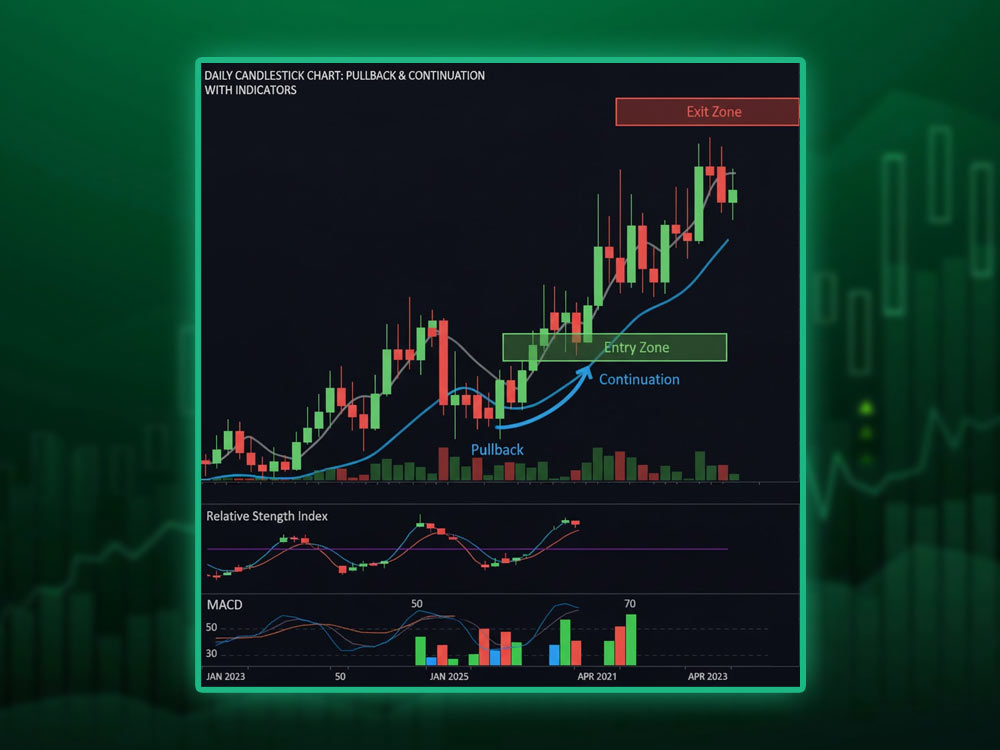
Swing Trading: A Flexible Forex Trading Strategy
Swing trading forex in the middle, not too fast, not too slow. It’s a forex trading strategy that captures moves lasting days or weeks.
How it works:
You trade pullbacks in a larger trend or reversals at major levels.
Tools used:
Fibonacci retracements, RSI divergence, and candlestick confirmations.
Pros:
- Less screen time
- Higher potential rewards per trade
Cons:
- Needs patience during drawdowns
- Trades can reverse overnight
Who it suits:
Traders with jobs or limited time.
Many experts say swing trading is the best forex trading strategy for beginners because it balances time, risk, and learning pace. If you're new to trading, the forex trading for beginners guide can help you build a clear foundation before applying these methods.
When you’re deciding which trading pace suits you best, and setups, check out swing trading vs scalping vs day trading that explains how each style fits different trader goals and time commitments.
Position Trading: Think Long Term
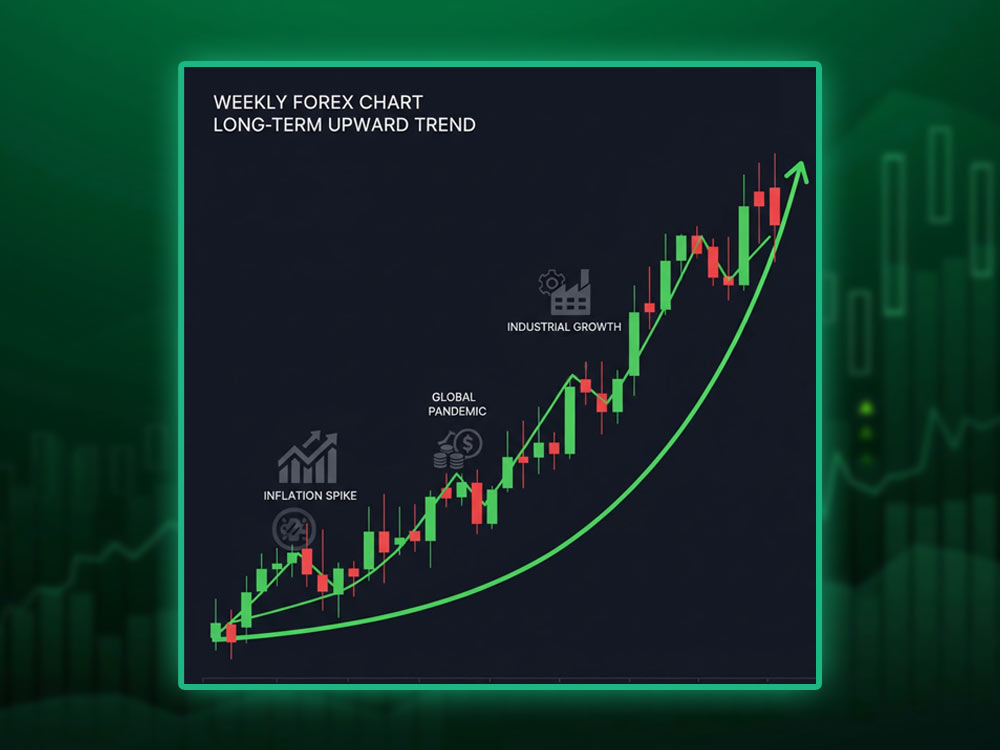
Position Trading: Think Long Term
Position trading is one of the most patient forex trading strategies. You hold trades for weeks or months, riding big trends.
How it works:
Combine fundamental data (interest rates, inflation) with technical charts. You focus on macro direction, not small fluctuations.
Tools used:
Weekly charts, moving averages, and long-term trendlines.
Pros:
- Minimal stress
- Can deliver large returns
Cons:
- Long holding periods
- Larger stop-losses needed
Who it suits:
Traders who like analyzing the global market picture.
For investors who value stability, this could be the best forex trading strategy ever to grow wealth over time.
Trend Trading: Follow the Market Direction

Trend Trading: Follow the Market Direction
Trend trading remains a timeless favorite among forex trading strategies.
How it works:
Trade in the direction of major momentum. Buy when price forms higher highs; sell when it forms lower lows.
Tools used:
MACD, ADX, and moving averages.
Pros:
- Easy to understand
- Can yield big moves
Cons:
- False signals in sideways markets
- Requires patience
Who it suits:
Traders who prefer clear, rule-based decisions.
If you’re searching for the best forex trading strategy ever, trend trading stands near the top. It’s simple, logical, and scalable.
Range Trading: Play the Boundaries

Range Trading: Play the Boundaries
When price bounces between support and resistance, range trading shines.
How it works:
Buy at support, sell at resistance, repeat until a breakout occurs.
Tools used:
RSI, Stochastic, and horizontal zones.
Pros:
- Predictable setups
- Works in quiet markets
Cons:
- Breakouts can cause losses
- Limited reward during low volatility
Who it suits:
Traders who prefer calm conditions and precise entries.
This forex trading strategy works best in stable conditions and builds discipline through repetition.
Breakout Trading: Catching the Start of Moves
Breakout Trading: Catching the Start of Moves
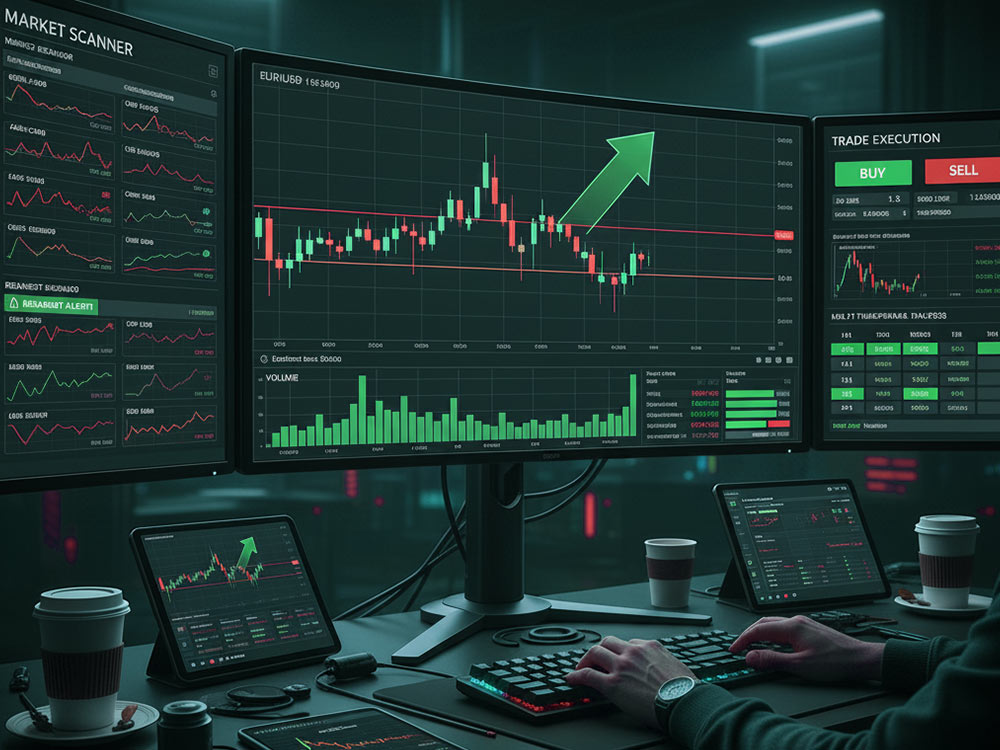
Breakout trading is one of the most exciting forex trading strategies because it targets fresh momentum.
How it works:
When price breaks above resistance or below support, traders enter expecting strong follow-through.
Tools used:
Trendlines, volume indicators, and volatility meters. Check more forex indicators for a full breakdown of the proposed indicators.
Pros:
- Captures early stages of trends
- Strong profit potential
Cons:
- False breakouts can trap traders
Who it suits:
Those who thrive on volatility and quick setups.
Pairing this with solid risk management can make it the best forex trading strategy for fast, decisive traders. Breakout traders can enhance results by using clear stop-loss planning, read stop loss forex strategies.
Retracement and Fibonacci Strategy

Retracement and Fibonacci Strategy
Retracement trading focuses on pullbacks within a trend. It’s one of the most precise forex trading strategies.
How it works:
Identify a major move, then wait for price to retrace 38%, 50%, or 61.8% before entering.
Tools used:
Fibonacci retracement tool, price action, trendlines.
Pros:
- High reward-to-risk ratio
- Aligns with trend continuation
Cons:
- Deeper retracements can hit stops
Who it suits:
Traders who value accuracy and patience.
This is often called the best forex trading strategy for beginners who want to learn structure and discipline early. You can also refine your setups by studying optimal risk to reward ratios in forex trading.
Momentum Trading
Momentum Trading
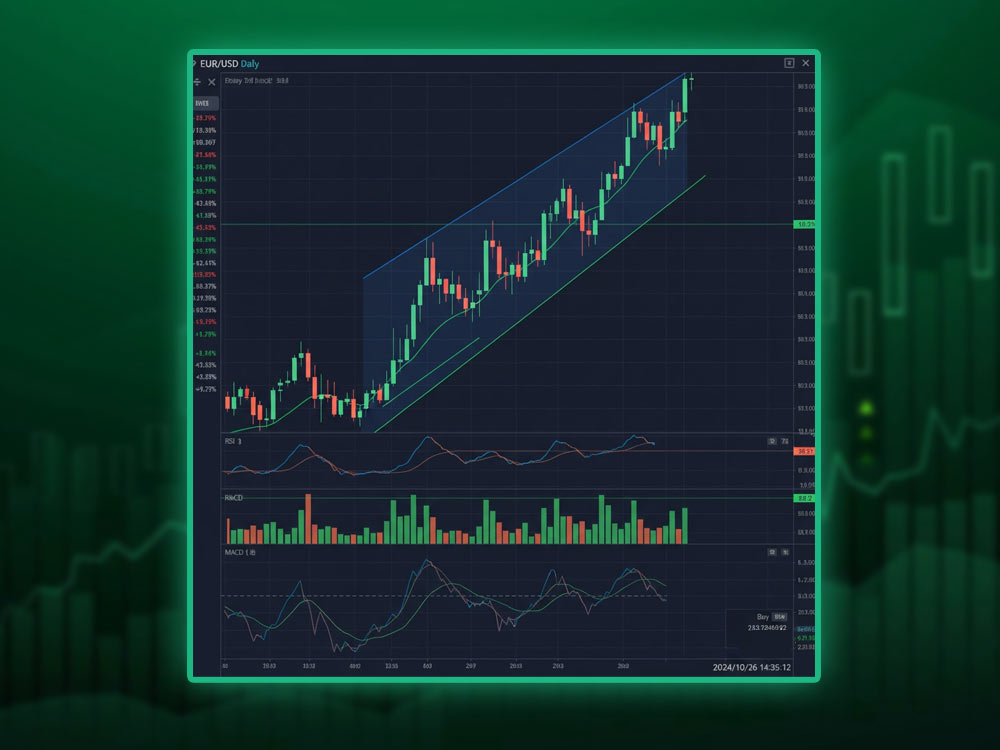
Momentum trading focuses on strength - buying strong currencies and selling weak ones.
How it works:
Use momentum indicators to confirm when price moves sharply, then ride the trend.
Tools used:
RSI, MACD, and Momentum indicators.
Pros:
- High reward in trending markets
- Ideal after major news events
Cons:
- Reversals can happen fast
Who it suits:
Traders comfortable with fast action and precise exits.
Momentum trading helps develop timing - a key skill for long-term consistency.
Counter-Trend and Mean Reversion

Counter-Trend and Mean Reversion
This forex trading strategy bets against overextended trends, expecting prices to return to normal levels.
How it works:
Look for divergence, overbought or oversold signals, and reversal patterns near key zones.
Tools used:
RSI divergence, Bollinger Bands, and moving averages.
Pros:
- Profitable during exhaustion phases
- Clear entry points near extremes
Cons:
- High risk if the trend continues
Who it suits:
Experienced traders with sharp discipline.
While risky, counter-trend setups can add diversity to your playbook of forex trading strategies.
News Trading

News Trading
News trading revolves around major announcements like GDP, interest rates, or employment data.
How it works:
You trade the volatility that follows these releases.
Tools used:
Economic calendars, tight stop-losses, and strong risk control.
Pros:
- High potential reward
- Active and dynamic
Cons:
- Slippage and spread spikes
- Unpredictable reactions
Who it suits:
Traders who enjoy fast-paced conditions and thrive under pressure.
For many short-term traders, news trading feels like the best forex trading strategy ever when executed with precision.
Algorithmic and Automated Strategies
Algorithmic and Automated StrategiesD
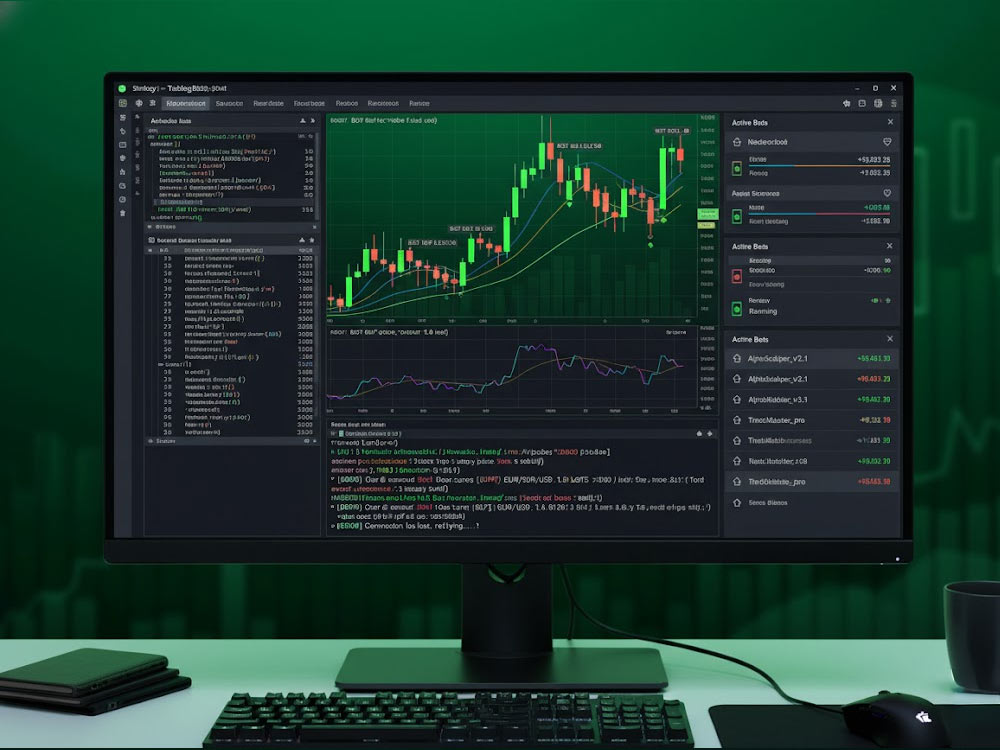
Automation makes trading mechanical and disciplined.
How it works:
You program a forex trading strategy into a bot that executes based on your rules.
Tools used:
Platforms like MetaTrader, cTrader, or custom scripts.
Pros:
- Emotion-free trading
- Can handle multiple pairs
Cons:
- Requires coding and testing
- Systems can fail in new conditions
Who is it for:
Analytical traders who trust data and automation.
Automation is powerful when combined with tested forex trading strategies, consistency without emotion.
Risk Management: The Backbone of Success
The best forex trading strategy means nothing without proper risk control.
Risk Management Golden rules:
- Risk only 1–2% per trade.
- Always use a stop-loss.
- Aim for at least 1:2 risk/reward ratio.
- Avoid revenge trading.
- Keep a journal to analyze mistakes.
Good risk management while trading forex can turn decent setups into consistent profits. That’s how you build the best forex trading strategy for beginners - slow, steady, repeatable.
Creating Your Personal Forex Trading Strategy Plan
To stay consistent, design your own forex trading strategy:
- Choose your trading style (scalp, day, swing, or position).
- Define your edge (trend, range, breakout, or retracement).
- Pick your tools and timeframes.
- Set strict risk rules.
- Backtest on demo before real funds.
- Refine with data, not emotion.
Personalizing your system turns any good setup into your version of the best forex trading strategy ever.
Staying Consistent for the Long Term
Consistency is more mindset than method. Follow these habits::
- Trade your plan - not impulses.
- Track every trade.
- Learn from data, not feelings.
- Accept losses as part of the process.
- Focus on execution, not perfection.
Whether you’re testing one of the classic forex trading strategies or building your own, discipline is reinforced by solid fx technical analysis that keeps decisions structured and repeatable.
Final Thoughts
The best traders don’t guess. They follow structured, tested forex trading strategies that suit their style and risk level.
Start small, trade your plan, and track your progress because consistency builds from repetition, not luck. Your best forex trading strategy ever isn’t one you find online; it’s the one you build, refine, and trust through experience.
For traders getting started with a forex broker, Dominion Options offers raw spreads, tight pips, and fast trade execution - features that make it easier to apply these strategies effectively and build steady consistency over time.
FAQs: Forex Trading Strategies
1. What is the best forex trading strategy for beginners?
Swing trading and trend trading are ideal. They’re simple, visual, and teach patience.
2. Can I combine multiple Forex Trading Strategies?
Yes. For example, you can mix trend trading with Fibonacci retracements for precision.
3. Is there a “best forex trading strategy ever”?
No single strategy works for everyone. The “best” is the one you can follow with discipline.
4. How long does it take to master a Forex Trading Strategy?
Most traders need at least 6–12 months of testing, journaling, and refining before achieving consistency.
5. Do forex trading strategies work in all markets?
Not always. Some strategies suit trends, others ranges. Adjust based on volatility and conditions.